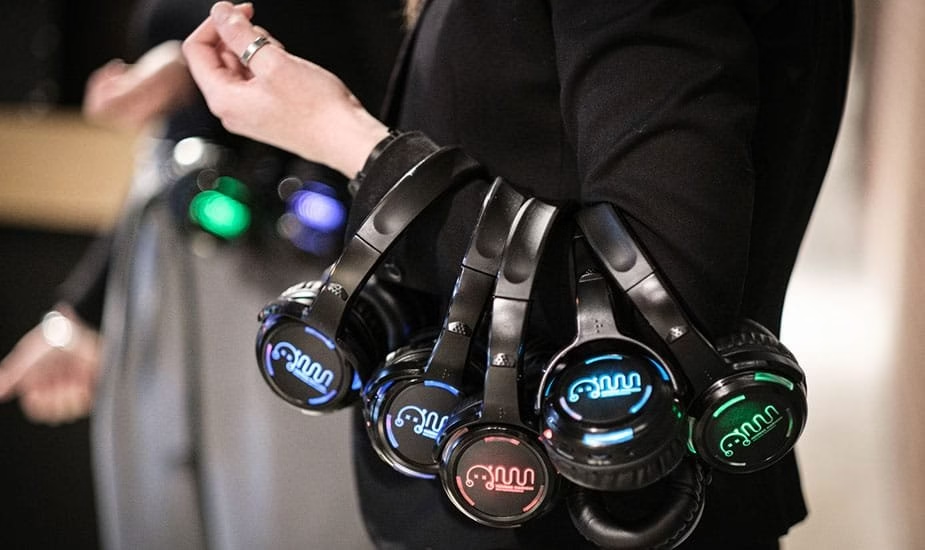
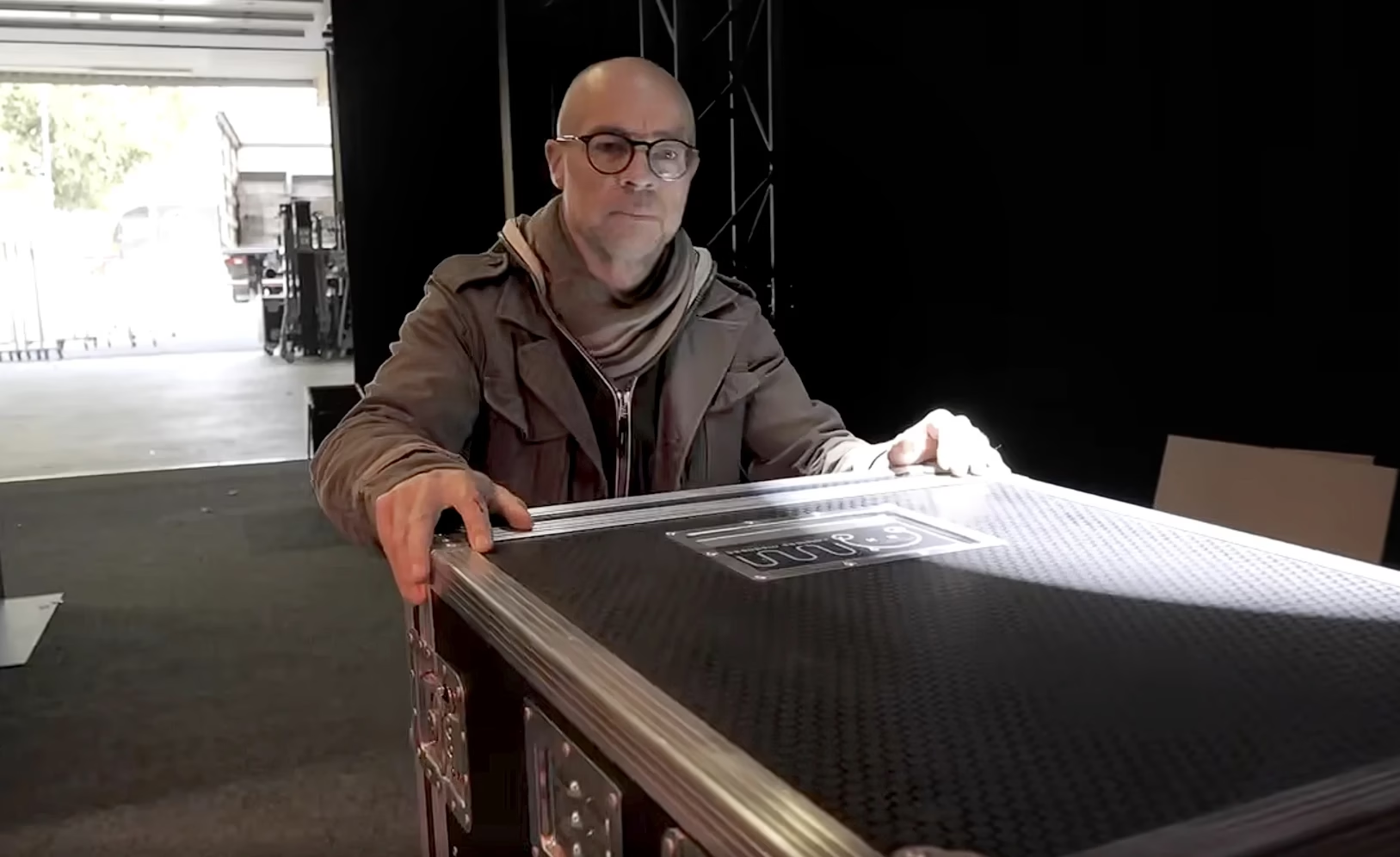
Noizless Madness is first and foremost David Joppart, a man with a passion for sound. It is also a team of sound and radio transmission professionals, DJs and events people who, since 2013, have been fitting out shows, museums and congresses with wireless headsets, from the Musée d’Orsay to ExCeL London. To understand where these high standards come from, you have to go back to a July evening in 2011, in Grenoble.
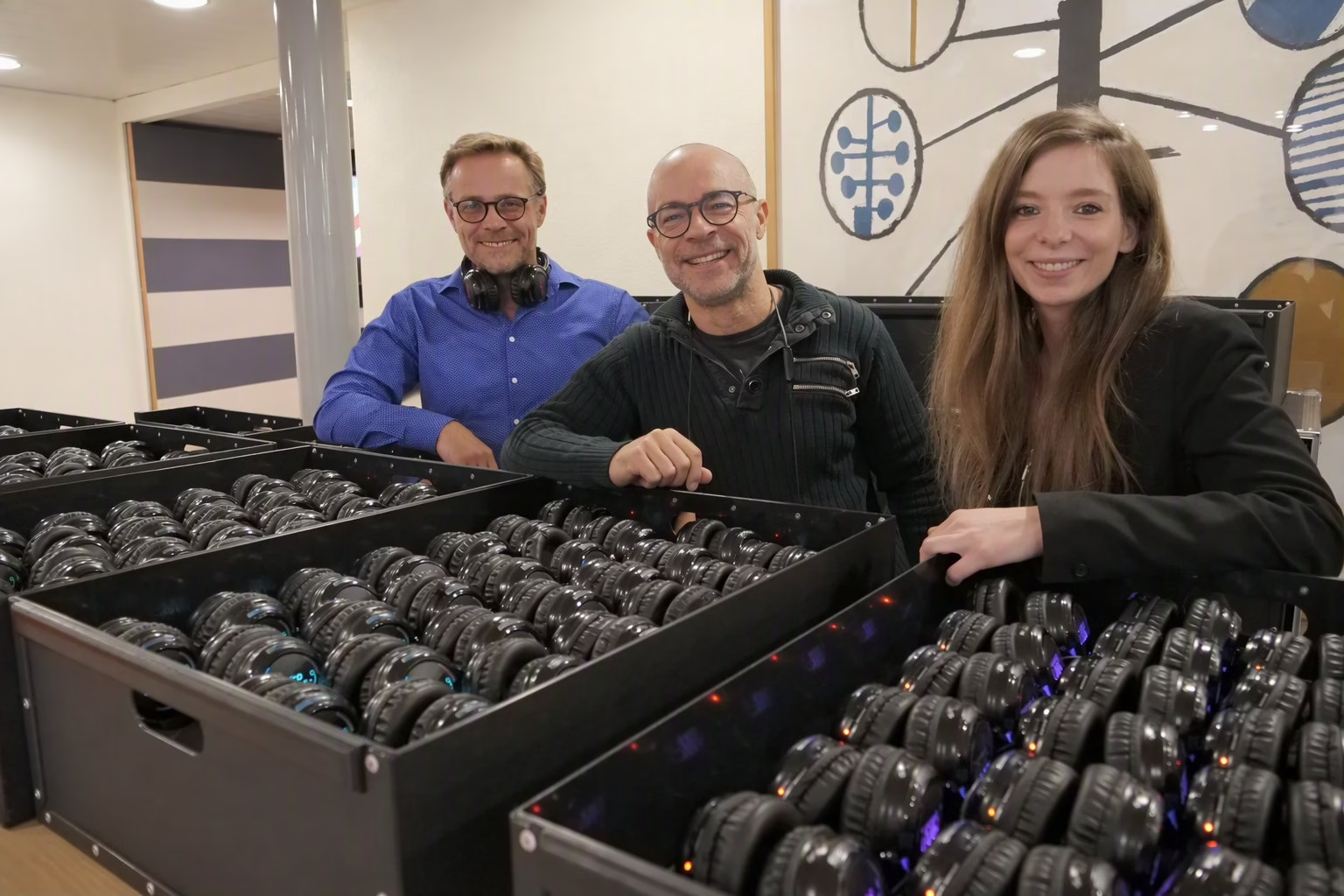
Sébastien Courtoy, David Joppart and Laura Van Caulaert
The night that changed everything
David remembers:
“For years, out with my DJ friends, the sound was always a problem. Deafening if you were stuck next to the speakers, barely audible as soon as you moved away, and lousy quality everywhere. Badly designed plastic speakers, a shrill sound that made your eardrums bleed, or bass pounding away at your ribcage. So either we kept quiet, or we wrecked our voices shouting into our mates’ already battered ears. When it was time to go home, that’s when the ringing started. That was the price you paid. Nobody ever questioned it.
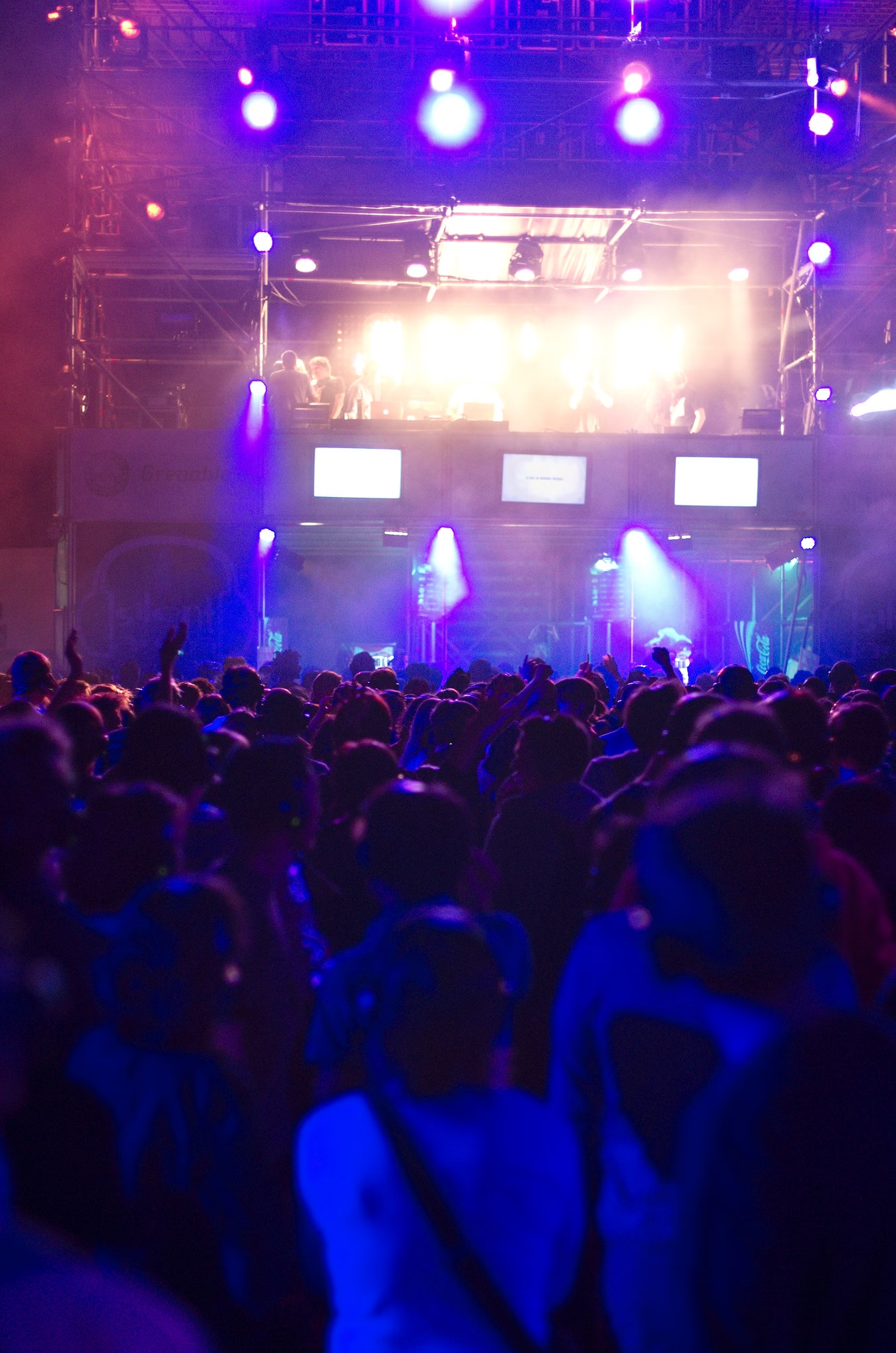
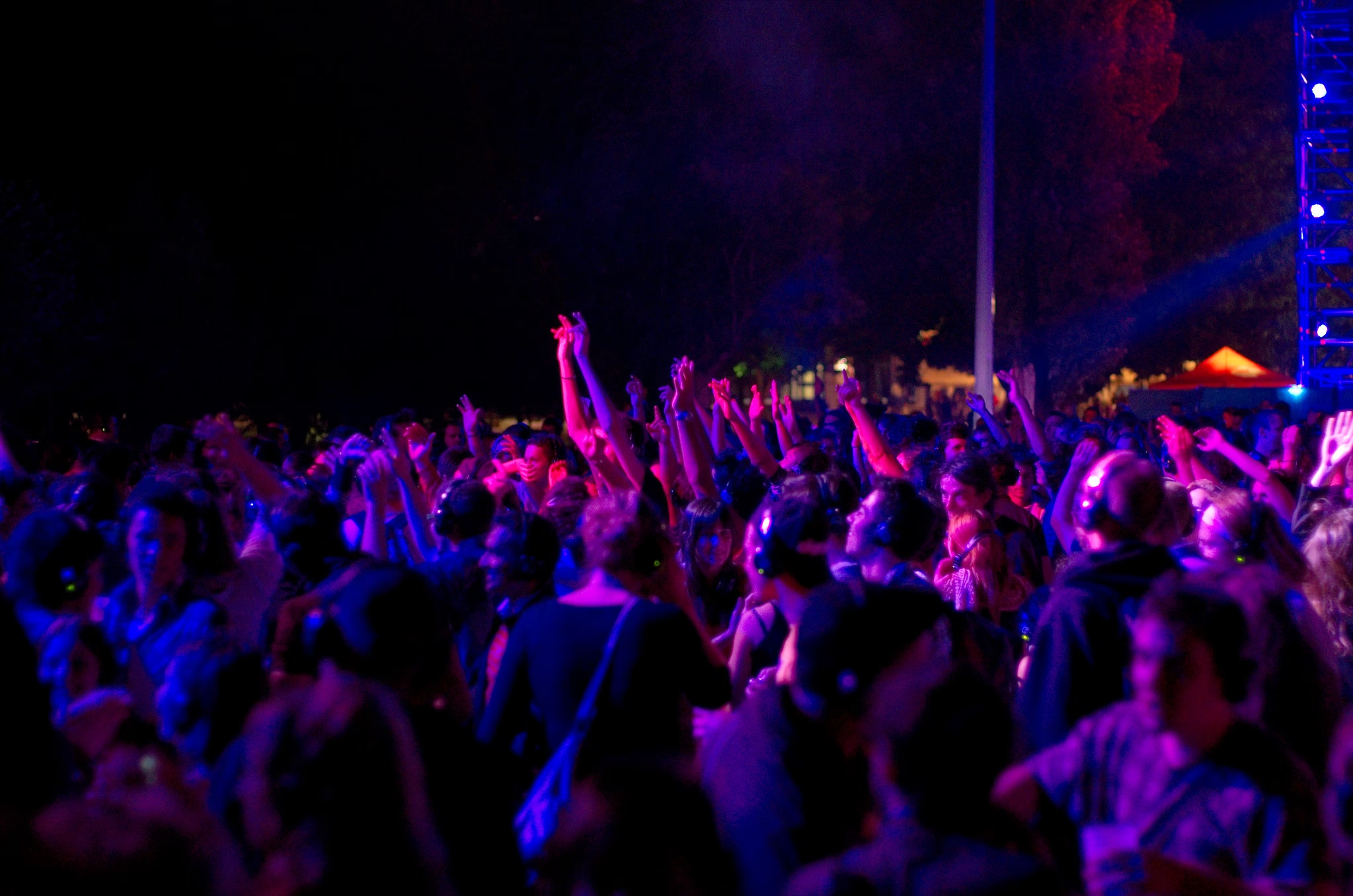
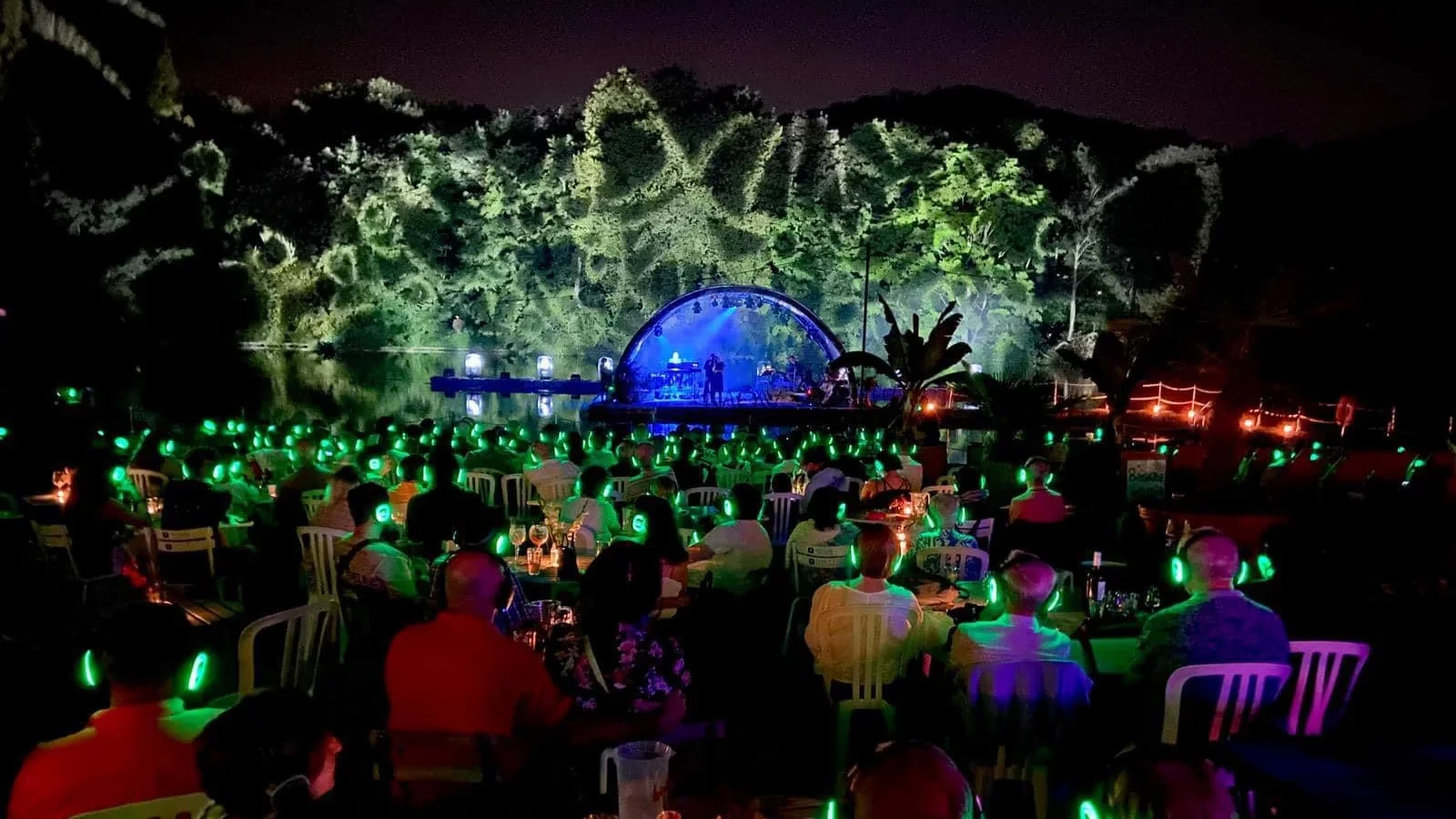
Then, on 2 July 2011, in Grenoble, I saw something that changed everything: 12,000 people wearing headsets in a huge park, three different sets playing at once, and zero noise pollution. Thousands of people, each immersed in their own bubble, and yet all carried by the same collective energy. It took me back to my Walkman years, to that total immersion in music that sends shivers down your spine. At that very moment, I knew what I was going to build.”
Two years later, he founded Noizless Madness.
Silence on danse, Grenoble, 2 July 2011. Photo credit @Renaud Guilhou
Knee-high to a grasshopper
“I was still knee-high to a grasshopper, and already fascinated and shaped by my dad,” says David. His father was an electronics technician, and the house was full of hi-fi equipment, with huge valves and big metal knobs.
In the late ’80s, the teenager moved behind the decks, then behind the microphone at free radio stations: Radio Contact, RFM, Chérie FM. At 19, he was already working freelance, because the stations weren’t hiring. In 1991, he learned audio production in the digital studio of the Régie Média Belge. He has never stopped working with sound since.
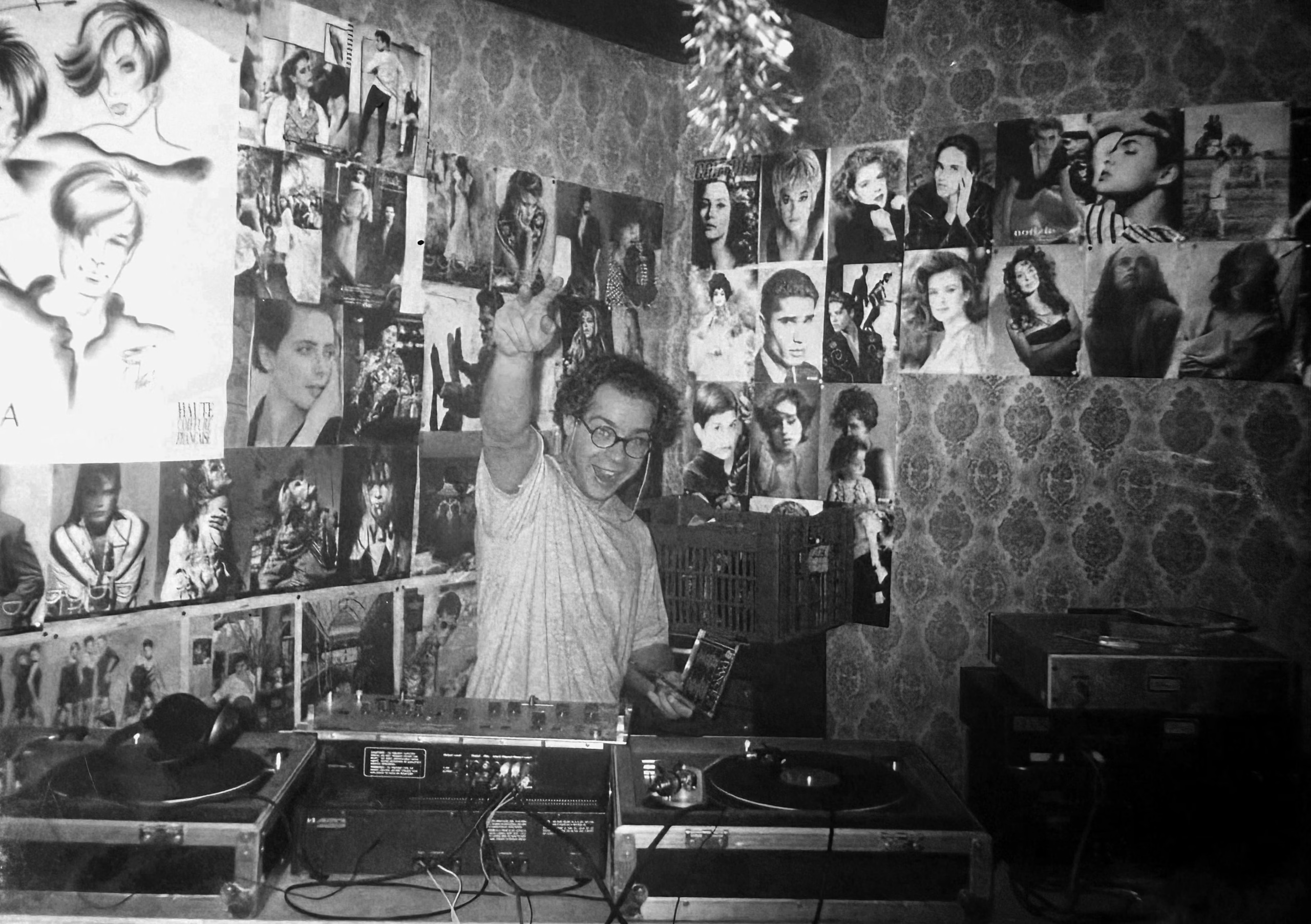
David Joppart at the turntables, late 80's
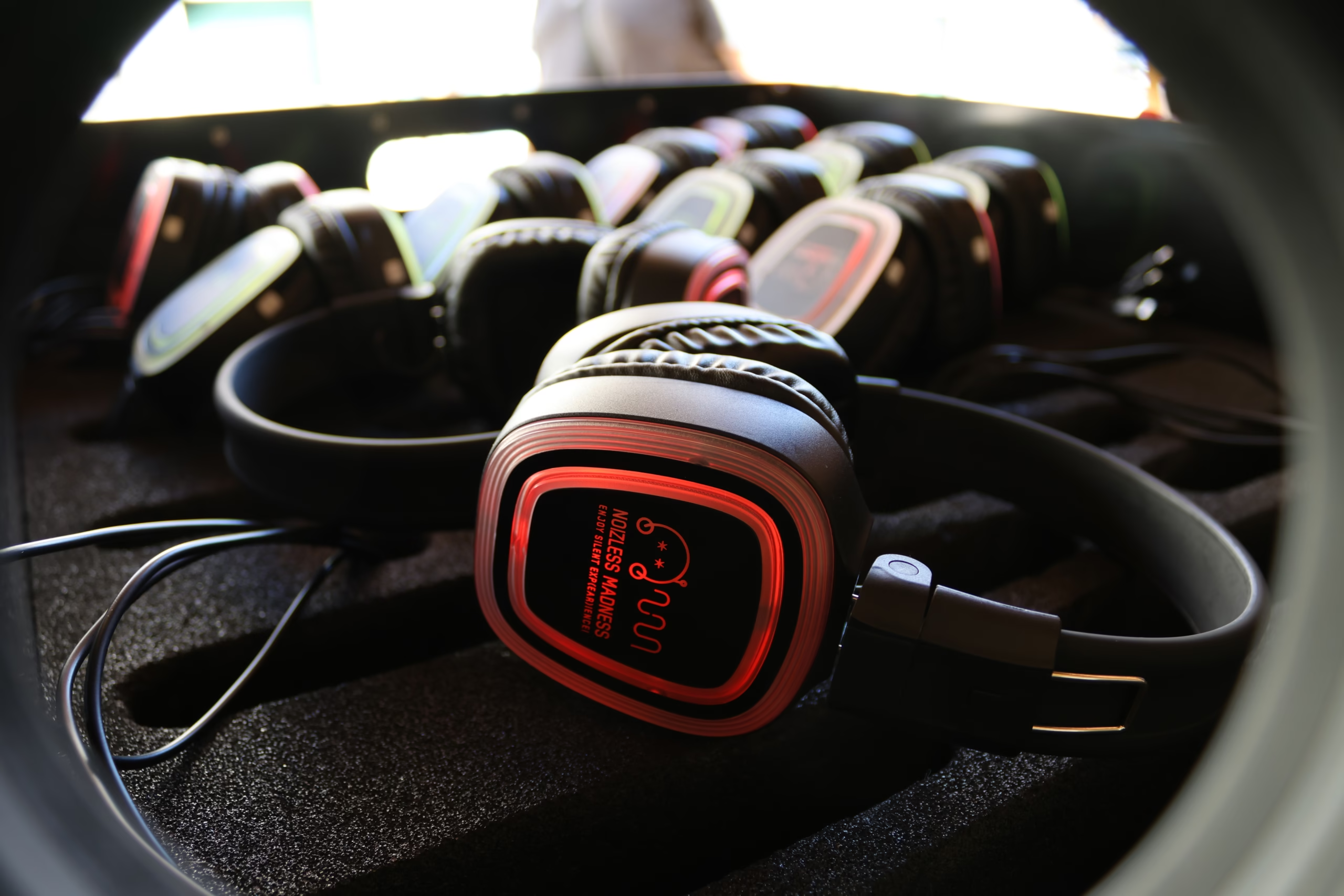
When he discovered wireless headsets, parties weren’t the only thing on his mind. He was already picturing concerts, open-air cinema, live shows. In the summer of 2012, he spent days searching for a name. Back then, everyone was called “Silent something”, and it got on his nerves: “I didn’t want a name that boxed us in.” He sketched logo ideas with sound waves. It would be Noizless Madness, because you had to be a little mad to take the plunge.
Test, listen, fine-tune
“I wanted good sound.” That probably sums him up better than anything. In the early days, David tracked down manufacturers, compared samples, cross-checked test results. The first headsets let him down: “muddy bass, buried treble, shorter range”. He could have settled for that. He kept looking.
It never stopped. Even today, he can spend hours on a single headset. One June evening, well past ten, with dinner long over, he was still trying out new earphones. When a new technology starts making waves, he doesn’t form an opinion from a spec sheet: he quizzes the manufacturer and people in the trade. He also travels to theatre companies that want to hear the equipment for themselves.
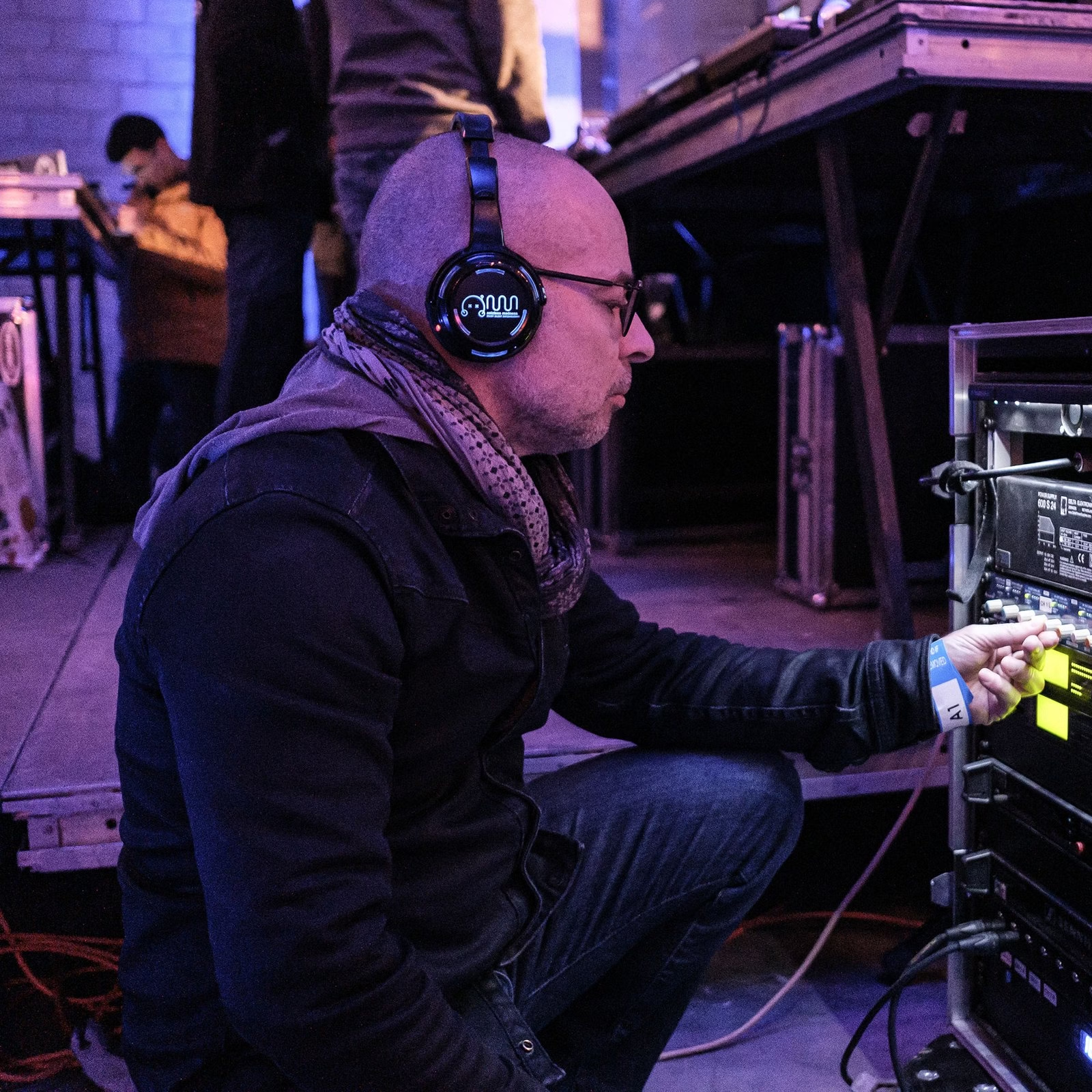
David setting up the transmitters, headphones on.
It comes with another quirk: never promising more than the equipment can deliver. When he sees a competitor advertising a 500-metre range, it genuinely annoys him: “No way you get 500 metres, not even in your dreams!” At Noizless, it’s 150 metres guaranteed, up to 300 in the best conditions. If the headsets still pick up the signal at 400 metres, all the better, but David will never make false promises just to land a sale.
Starting from a blank page
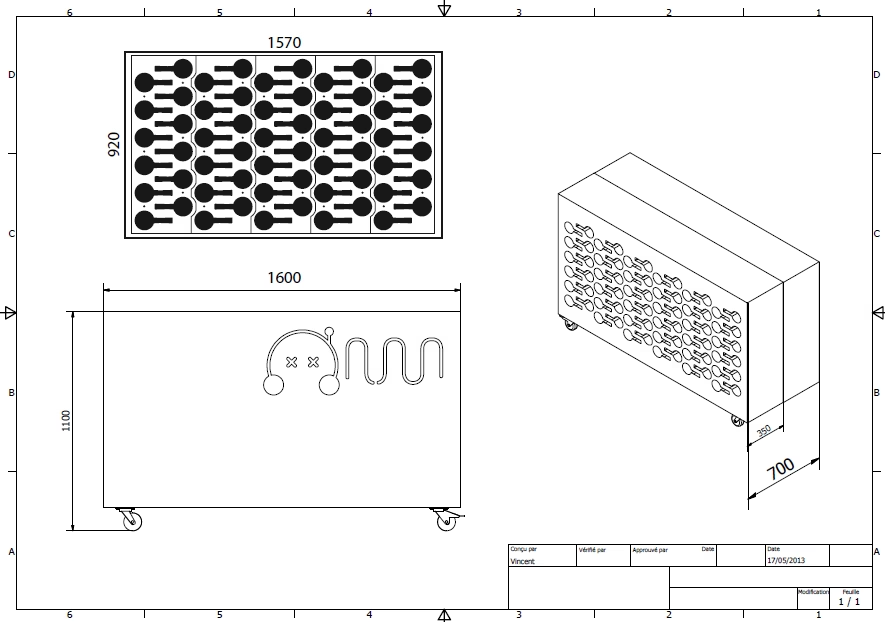
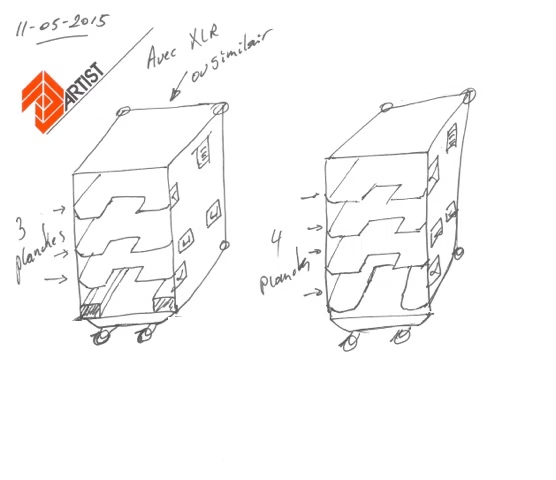
Headsets are all well and good. But then what? “Transport, storage, charging, handing them out, collecting them, cleaning, maintenance… How does all that work? I was starting from a blank page.” So David invented everything. Even the flight cases were custom-designed, with a slot for every headset, then reworked event after event.
He has funded the whole venture himself, with just one small loan since the start, and he’s proud of it. He doesn’t hide that it hasn’t been easy: “I’ve been through the wringer more than a few times.” Ambitious technical goals, manufacturers and technicians who drag their feet, and you need nerves of steel not to throw in the towel. What kept him going? “My nonconformism, the urge to get off the beaten track and develop new ideas.”
First flight case plan, May 2013
Design evolution sketch, May 2015
Bernard Scyeur, the invisible helper
In late 2014, David was looking for technical solutions that were both high-performing and reliable. He met Bernard Scyeur, “Monsieur HF”, who had toured with Maurice Béjart before founding RF Transmission, and at last found the partner he had been looking for. Bernard has since passed away, and David’s gratitude to him is undiminished:
“He passed on exceptional know-how to me, help like no one else gave. He’s with me on every job, like an invisible helper, a feeling of gratitude that drives me to work with the utmost rigour.”
RF Transmission has remained Noizless Madness’s technical partner. A Belgian radio frequency specialist since 1995, the company has worked on some of the most demanding productions, from Beyoncé and Jay-Z concerts to the ceremonies of the Athens Paralympic Games.
Not just earphones dumped in a plastic crate
Many silent disco operators ship their headsets in plastic crates closed with cable ties, and leave you to get on with it. David prefers to be there with you: preparing the event with the organiser, talking to the venue’s sound engineer well before the day, setting up and checking everything on site. His idea of the job fits in a wink, “the power of exp(EAR)ience”: the tool should serve the event, whatever it is, so that all the audience has to do is put the headset on.
Around him are technicians, hosts who hand out the headsets and answer the audience’s questions, and DJs when the evening calls for it. Often, he’s there himself. One October weekend in Mouscron, the event finished at midnight. By the time he had packed up, loaded everything and driven 120 kilometres of back roads, he got home around two in the morning.
When the venue or the scale of the event makes things tricky, he finds a way round it. At the Trocadéro aquarium in Paris, the water and reinforced concrete of the tanks were blocking the signal, so he ran fibre optics out to the problem areas. At the EAU congress at ExCeL London, 13 channels ran at the same time for 2,500 delegates.
Sound you choose, not sound you endure
NAOW Festival, Namur: a headphone concert on the banks of the Meuse.
It’s the subject closest to David’s heart. “For at least 20 years, we’ve been producing, almost diligently and methodically, the deaf of today and tomorrow.” Sound levels at events still too often exceed safe limits, and he has ended enough nights with his ears ringing to know it.
A headset doesn’t protect your hearing on its own: listening too loud, for too long, damages your ears, with or without speakers. What changes is that the volume is no longer imposed. In front of a speaker, you put up with whatever level the sound desk picks. With a headset, everyone can turn it down, or take it off for a few minutes to catch their breath.
All around, calm returns. Neighbours aren’t disturbed, the next rooms in a museum stay quiet, and the wildlife in a park doesn’t run for cover. “It’s a real plus for respecting other people and nature.”
What's next?
Right now, David is keeping a close eye on Auracast, which broadcasts the same sound over Bluetooth to an unlimited number of headsets. It would finally mean the move to digital, with purer, more dynamic sound. But he will only take the step if latency allows: for live performance, he won’t tolerate more than 15 to 20 milliseconds of delay, otherwise the sound no longer matches the actor’s lips. Until then, Noizless Madness is staying analogue.
Further down the line, there’s binaural listening, the three-dimensional sound he would love to offer one day to “a slightly magical show, in an unusual, unlikely setting”.
“As long as the desire and the joy are still there, I won’t give up!”
David
So, how does your event sound?
Tell us about the venue, the audience and what you want them to hear.
We use cookies to guarantee you the best possible experience on our website. If you continue to use this site, we will assume that you are happy with it.